Consolidation Services Group Shipping: Transforming Modern Logistics Through Smart Cargo Solutions
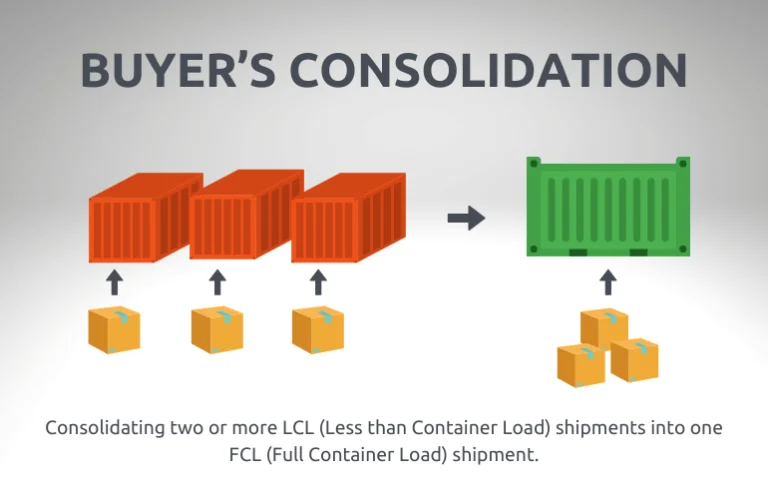
In today’s interconnected global economy, businesses of all sizes rely heavily on efficient logistics to remain competitive. As international trade expands and supply chains become more complex, companies are constantly searching for smarter ways to reduce shipping costs while maintaining reliability. One solution that has gained remarkable importance in recent years is Consolidation services Group Shipping. This logistics strategy allows multiple shipments from different customers to be combined into a single transport unit, creating efficiency, affordability, and sustainability in global freight operations.
Consolidation services Group Shipping refers to the process of gathering smaller shipments from multiple shippers and combining them into one larger shipment. Instead of each company paying for an entire container or cargo space, they share transportation resources 集運服務. This approach benefits exporters, importers, and logistics providers by maximizing cargo utilization and minimizing wasted space during transportation. Whether goods are transported by sea, air, or land, consolidation services streamline the movement of cargo while reducing operational expenses.
One of the primary advantages of Consolidation services Group Shipping is cost efficiency. Small and medium-sized businesses often face challenges when shipping internationally because full-container loads can be expensive. Consolidation allows businesses to pay only for the space they use rather than the entire container. This significantly lowers freight costs and opens global markets to companies that might otherwise struggle with high logistics expenses. By sharing shipping resources, businesses gain access to international trade opportunities without heavy financial pressure.
Another important benefit is improved logistics management. Consolidation service providers coordinate shipments from multiple clients, manage documentation, and optimize routing schedules. This centralized coordination reduces the burden on individual businesses, allowing them to focus more on production, marketing, and customer service. Logistics professionals handle customs clearance, cargo tracking, warehousing, and final delivery, ensuring that shipments move smoothly across borders.
Speed and efficiency also improve through consolidation services. Although combining shipments may appear time-consuming at first glance, experienced logistics providers operate on structured schedules. Consolidated shipments follow regular departure timelines, which often reduce delays compared to waiting for a full shipment independently. Businesses benefit from predictable transit times, better inventory planning, and enhanced supply chain reliability.
Consolidation services Group Shipping also plays a significant role in risk management. Shipping goods internationally involves potential risks such as cargo damage, loss, or customs complications. Professional consolidation providers use standardized packaging procedures, cargo handling protocols, and tracking technologies to protect shipments throughout the journey. With improved monitoring systems, businesses can track goods in real time and receive updates on delivery status, increasing transparency and confidence.
Environmental sustainability has become a major concern within global logistics, and consolidation shipping contributes positively in this area. By maximizing container capacity and reducing the number of partially filled shipments, consolidation lowers fuel consumption and decreases carbon emissions. Fewer vehicles and vessels are required to transport the same volume of goods, making group shipping an environmentally responsible choice. Companies aiming to meet sustainability goals often adopt consolidation strategies as part of their green logistics initiatives.
Another factor driving the growth of Consolidation services Group Shipping is the rapid rise of e-commerce. Online retailers frequently ship smaller quantities of products to multiple international destinations. Consolidation services allow these businesses to combine orders efficiently, reducing delivery costs and maintaining competitive pricing. As consumer expectations for fast and affordable shipping continue to grow, consolidation becomes a practical solution for managing increasing order volumes.
Flexibility is another key advantage. Businesses can ship goods more frequently without waiting to accumulate large quantities. This supports just-in-time inventory systems, where companies maintain smaller stock levels and replenish inventory regularly. By using consolidation shipping, businesses avoid overstocking and reduce storage costs while ensuring continuous product availability.
Technology has further enhanced consolidation services in recent years. Advanced logistics software enables accurate shipment tracking, automated documentation, and data-driven route optimization. Digital platforms allow customers to monitor shipments, access shipping records, and communicate with logistics providers instantly. These innovations improve operational efficiency and create a seamless shipping experience for businesses operating across different regions.
Despite its many advantages, successful consolidation shipping requires careful planning. Proper packaging, accurate labeling, and compliance with international shipping regulations are essential. Since multiple shipments share the same transport space, each package must meet standardized safety requirements. Reliable consolidation providers guide clients through these requirements to prevent delays and ensure compliance with customs regulations.
Industries ranging from manufacturing and retail to pharmaceuticals and electronics benefit from Consolidation services Group Shipping. Small exporters gain access to global markets, while larger corporations optimize supply chains by reducing transportation costs. Even seasonal businesses find consolidation useful when shipping fluctuating volumes throughout the year.
Customer satisfaction also improves when businesses adopt consolidation shipping strategies. Lower transportation costs often translate into competitive product pricing, while reliable delivery schedules enhance customer trust. In a marketplace where delivery speed and affordability influence purchasing decisions, efficient shipping solutions can become a powerful competitive advantage.
As global trade continues to evolve, logistics companies are investing heavily in expanding consolidation networks. Strategic warehouse locations, improved cargo handling facilities, and partnerships with international carriers enable faster and more reliable services. These developments make consolidation shipping increasingly accessible to businesses worldwide, regardless of size or industry.
Looking ahead, Consolidation services Group Shipping is expected to play an even greater role in shaping the future of logistics. Growing cross-border commerce, digital transformation, and sustainability demands will continue to drive innovation in shared shipping solutions. Businesses seeking cost-effective, reliable, and environmentally friendly transportation methods will increasingly turn toward consolidation as a core logistics strategy.
